Pick & DeliveryPick Up & Delivery Services Available
AvailabilityAvailable 8 am to midnight every day except Saturday 8 am to 4 pm
Call us todayCall us today 682-587-2296
Categories
Pet

Coping With Pet Loss During the Holidays

The holiday season is woven with tradition, memory, and togetherness, which is exactly why it can be so painful when a beloved pet is missing from the celebration. An empty spot by the fire, a stocking that will not be filled, a face that will not greet guests at the door, these small absences can make grief feel sharp again, even months after a loss. If you are facing the holidays without your companion this year, please know that your feelings are valid and you are not alone. This guide offers gentle ways for Dallas-Fort Worth families to move through the season with tenderness toward themselves.

Why the Holidays Can Intensify Pet Grief

Grief often rises and falls, and the holidays tend to turn the volume up. Traditions bring memories flooding back, and the contrast between festive expectations and private sorrow can feel jarring. Pets are woven into our daily rituals, from morning walks to the quiet company of a nap on the couch, so the season’s emphasis on home and family can make their absence especially vivid. Anniversaries, year-end reflection, and the simple act of gathering can all stir memories of the companion who is no longer there. Understanding why the holidays feel harder can make the sadness a little easier to accept and to navigate, and it can remind you that what you are feeling is a normal, natural response to a meaningful loss.

Give Yourself Permission to Grieve

There is no rule that says you must feel merry. Allow yourself to feel whatever arises, whether that is sadness, nostalgia, or even moments of unexpected joy. You are allowed to step away from a gathering, skip a tradition that feels too painful this year, or create space for quiet reflection. It is also okay to laugh and enjoy the season, with no guilt attached, because joy and grief can share the same room. Honoring your grief rather than hiding it is not a failure to celebrate. It is a sign of how deeply you loved, and giving it room is part of how you heal.

Gentle Ways to Honor Your Pet During the Season

Create a small tribute

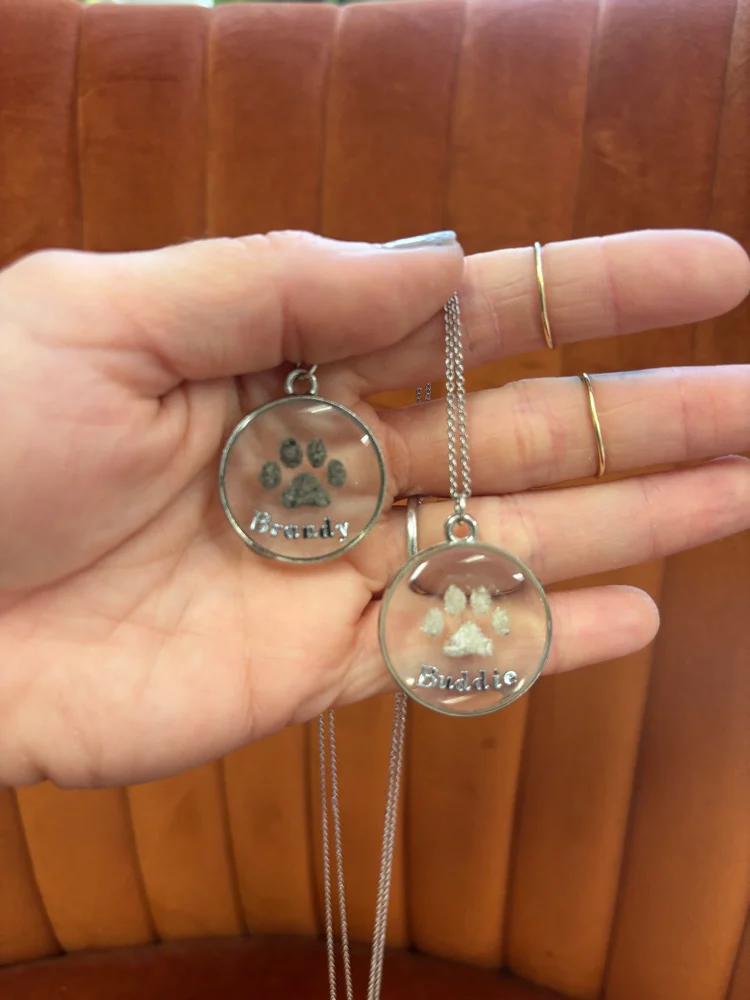
Many families find comfort in weaving their pet into the season’s traditions. You might hang a special ornament, frame a favorite photo, or display a keepsake in a place of honor. Thoughtful memorial items such as a custom urn, a paw print, or a piece of remembrance jewelry can become a gentle focal point during the holidays.

Light a candle or share a memory

Lighting a candle in your pet’s memory, especially during a family meal or a quiet evening, can be a simple and meaningful ritual. Invite family members to share a favorite story. Speaking your pet’s name and remembering the joy they brought can turn a painful moment into one of connection and gratitude.

Give in their honor

Some families channel their love into kindness by donating to an animal shelter or rescue in their pet’s name, or by volunteering during the season. Acts of giving can transform grief into something healing. You can even learn about our own giving back efforts for inspiration on ways to honor a companion through generosity.

Start a New Tradition in Their Memory

Grief softens over time when we give love somewhere to go. Many families find comfort in beginning a small new tradition that carries their pet’s memory forward each year. You might hang a dedicated ornament when you decorate, set out a candle for them at a holiday meal, take a quiet walk along a favorite route, or make a yearly donation to a shelter in their name. Involving the whole family turns remembrance into something shared, and over the years these gentle rituals often become a cherished part of the season rather than a source of sorrow. What begins as a way to cope with absence can slowly grow into a warm celebration of the joy your companion brought to your lives.

Navigating Gatherings and Well-Meaning Comments

Not everyone understands the depth of pet loss, and a stray comment at a holiday gathering can sting. It can help to decide in advance how much you want to share and to give yourself permission to change the subject or step outside for a moment. Lean toward the people who understand, and remember that you do not owe anyone an explanation for grieving a member of your family.

Supporting Children Through Holiday Grief

The holidays can be especially confusing for children missing a pet. Honest, age-appropriate conversation and small shared rituals, like placing an ornament together, can help them process the loss alongside the family. Our guide on helping children cope with the loss of a pet offers practical ways to support young ones through a tender season.

Caring for Surviving Pets During the Season

If you still have other animals at home, they may feel the shift in the household too, picking up on both the absence of their companion and the extra stress of the holidays. Keep their routines steady amid the busyness, offer calm reassurance, and give them a quiet retreat away from noisy gatherings and unfamiliar guests. Watch for signs of stress, such as hiding or a change in appetite, and be patient as they adjust. Caring for them, and letting them comfort you in return, can be a quiet source of healing for the whole family.

Lean on Support When You Need It

You do not have to carry holiday grief alone. Friends, family, pet loss support groups, and professional counselors can all help lighten the weight. Our grief resources are available throughout the season, because we understand that the hardest days do not wait for a convenient time.

A Season of Remembrance

However you choose to mark the holidays this year, let it be with gentleness toward yourself and gratitude for the companion who shared your life. When you are ready to explore lasting ways to honor them, the caring team at Peaceful Pets DFW is here to help you find meaningful memorials. You are always welcome to reach out to us.

Categories
Pet

Helping Your Other Pets Grieve the Loss of a Companion

When a beloved pet passes away, the grief that follows is rarely felt by people alone. The other animals in your home shared daily routines, favorite napping spots, and years of quiet companionship with the pet who is gone, and many of them feel the absence deeply. If your surviving dog or cat seems off in the days and weeks after a loss, you are not imagining it. This guide explains how pets grieve and offers gentle, practical ways Dallas-Fort Worth families can help their remaining companions through a hard time.

Do Pets Really Grieve?

Yes. While we cannot know exactly what an animal feels, decades of observation show that dogs, cats, and many other pets form strong social bonds and respond noticeably when those bonds are broken. A surviving pet may not understand death the way we do, but it clearly registers that a familiar companion, and the scents, sounds, and routines that came with them, has suddenly vanished. Their response is a reflection of attachment, and it deserves the same patience and compassion you would give any grieving member of the family.

Every Pet Grieves in Their Own Way

Just as no two people mourn alike, no two animals do either. Some pets bounce back within a few days, while others seem subdued for weeks. Age, temperament, health, and how closely bonded the animals were all shape the response. A pet who was deeply attached to the companion who passed, who shared a bed or a daily routine with them, may grieve far more visibly than a more independent animal. Multi-pet households can also see shifting dynamics as the remaining animals settle into a new social order, which is completely normal. There is no set timeline and no single right way for your pet to move through the change. What matters most is that you stay attentive, patient, and ready to offer comfort as their needs shift from one day to the next.

Common Signs of Grief in Surviving Pets

Changes in appetite and sleep

One of the most common signs is a shift in eating habits. A grieving pet may lose interest in food, eat less than usual, or seem to forget mealtime routines. Sleep patterns can change too, with some pets sleeping far more than usual and others becoming restless, especially at night.

Searching, vocalizing, and clinginess

Many pets actively search for their lost companion, returning again and again to shared beds, doors, or favorite rooms. Some become unusually vocal, whining, meowing, or barking more than normal, while others grow clingy and anxious, following you from room to room and struggling to settle when alone.

Withdrawal and low energy

On the other end, some pets withdraw. They may seem subdued, lose interest in play or walks, or retreat to a quiet corner. A once-social pet becoming distant is a signal worth watching, and a sign that your companion may be feeling the loss.

How to Comfort a Grieving Pet

Keep routines as steady as possible

Predictability is deeply reassuring to animals. Try to keep feeding times, walks, and play on their usual schedule, even when your own days feel upended by grief. Familiar rhythms tell your pet that their world, though changed, is still safe.

Offer comfort without reinforcing anxiety

Extra affection is wonderful, but try to offer it during calm moments rather than only when your pet is anxious, so that worried behavior is not unintentionally rewarded. Gentle encouragement toward normal activities, a favorite toy, a short walk, a food puzzle, can help draw a withdrawn pet back out.

Let them understand, if you can

When circumstances allow, some families find that letting a surviving pet see or gently investigate their companion after passing can reduce the confusion of an unexplained disappearance. This is a personal choice and not always possible, but for some animals it seems to help them begin to understand that their friend is gone.

Should You Bring Home a New Pet Right Away?

It is natural to think a new companion might ease the loneliness, but it is usually best not to rush. Both you and your surviving pet need time to adjust, and introducing a new animal too soon can add stress rather than comfort. Let your pet settle into a new normal first, and make the decision to expand your family when it feels right for everyone, not as a quick fix for grief.

Helping Pets and Children Grieve Together

In many households, children and pets are grieving at the same time, and they often take cues from one another. Keeping shared routines, offering reassurance, and modeling calm can help both. If you are supporting young ones through this loss as well, our guide on helping children cope with the loss of a pet offers gentle, age-by-age advice that pairs naturally with caring for your surviving animals.

When to Call Your Veterinarian

Most pets gradually return to themselves within a few weeks. Contact your veterinarian if signs are severe or persist, particularly if your pet stops eating or drinking for more than a day or two, loses noticeable weight, or seems lethargic or unwell. These can signal a medical problem rather than grief alone, and it is always worth ruling out. Your veterinarian can also suggest strategies, and in some cases support, for a pet struggling with prolonged distress.

Caring for Yourself Too

Your pets take comfort from you, which means caring for your own grief is part of caring for them. Be gentle with yourself, lean on people who understand, and reach out for support when you need it. Our grief resources are here for every member of your family during this tender season.

We Are Here to Help

When you are ready to think about aftercare for the companion you have lost, the compassionate team at Peaceful Pets DFW is here to guide you gently, offering aquamation and caring support for your whole household. Whenever you have questions, you are always welcome to reach out to us.

Categories
Pet

What to Expect With In-Home Pet Euthanasia: A Gentle Guide

What to Expect With In-Home Pet Euthanasia: A Gentle Guide

Choosing to say goodbye to a beloved pet is one of the most difficult and loving decisions a family can make. For many, doing so at home, in a familiar and peaceful setting, brings a measure of comfort to an impossibly hard moment. If you are considering in-home euthanasia for your companion, understanding what to expect can ease some of the fear of the unknown and help you focus on being present. This guide gently walks through the experience, so Dallas-Fort Worth families can feel more prepared and supported.

What In-Home Euthanasia Means

In-home euthanasia is a peaceful, veterinarian-guided goodbye that takes place in your own home rather than a clinic. A licensed veterinarian comes to you, allowing your pet to remain in their favorite spot, surrounded by the people and scents they know best. The goal is a calm, painless passing with as little stress as possible for both your pet and your family.

How to Know It May Be Time

One of the hardest parts of this journey is knowing when the moment has come. Many families find it helpful to focus on quality of life rather than a single symptom. Consider whether your pet is comfortable and free of ongoing pain, whether they are still eating and drinking, whether they can move well enough to do the things that matter to them, and whether the good days still outnumber the hard ones. Your veterinarian is your most valuable partner in this assessment and can offer an honest, experienced perspective. Keeping a simple daily record of good days and difficult days can also bring quiet clarity over time.

Questions to Ask Your Veterinarian

If you are weighing this decision, a candid conversation with your veterinarian can bring reassurance. You might ask what to expect in the coming days or weeks, whether your pet is likely in pain, what signs to watch for, and how the appointment itself will unfold. Most veterinarians welcome these questions and will walk you through every step with compassion, so you can feel confident that your choice is grounded in your pet’s comfort and dignity.

Why Families Choose to Say Goodbye at Home

Many pets feel anxious at the veterinary clinic, and for an animal that is already frail, the car ride and unfamiliar surroundings can add distress at the worst possible time. Saying goodbye at home removes that burden. It also gives families privacy, the freedom to grieve openly, and the comfort of a familiar environment. Children and other pets can be present if that feels right, and there is no waiting room and no rush.

Preparing Your Home and Family

Choosing a comfortable space

Pick a quiet, familiar spot where your pet feels safe, whether that is a favorite bed, a sunny corner, or a lap. Soft blankets, gentle lighting, and a calm atmosphere all help. Some families light a candle or play quiet music. There is no right or wrong way to create the space, only what feels peaceful to you.

Including family members and other pets

Decide in advance who would like to be present. Some families gather everyone together, while others prefer a smaller, quieter goodbye. Allowing other pets in the household to be nearby, either during or afterward, can sometimes help them understand that their companion has passed, which may ease their own confusion in the days that follow.

What Happens During the Appointment

Comfort and sedation

A veterinarian typically begins by giving your pet a sedative. This gentle first step allows your pet to relax completely and drift into a deep, calm sleep, free of pain or anxiety. During this time, you are encouraged to hold, pet, and speak to your companion. Many families find these quiet minutes to be a precious final chance to say everything they want to say.

A peaceful passing

Once your pet is fully relaxed and comfortable, the veterinarian administers the final medication. The passing itself is usually very quick and peaceful. Your veterinarian will confirm when your pet has gone and will give you as much time as you need afterward. There is never any need to hurry this moment.

Taking the Time You Need Afterward

After your pet has passed, allow yourself to simply be. You may want to sit quietly, hold your companion, or gather the whole family for a moment of remembrance. There is no timeline for grief, and nothing about this moment needs to be rushed. When you feel ready, you can turn your attention to aftercare.

Helping Other Pets Understand

Animals grieve too, and the surviving pets in your home may search for their missing companion or seem withdrawn in the days that follow. Allowing them to be present, or to spend a quiet moment near their friend afterward, can sometimes help them process the loss. Keep their routines steady, offer extra attention, and give them time to adjust. If a surviving pet seems especially distressed for an extended period, your veterinarian can offer guidance.

Planning Aftercare With Compassion

Thinking through aftercare before the day arrives can spare you difficult decisions in a tender moment. Peaceful Pets DFW offers gentle, dignified pet cremation through aquamation, a water-based process many families find fitting for such a loving farewell. With private aquamation, you receive the ashes of your pet and only your pet. You can learn more about end-of-life care and support on our euthanasia page, and our team can be there to care for your companion with the same gentleness you gave them.

Caring for Your Own Grief

The grief that follows a planned goodbye is real and valid, and it often carries a complicated mix of relief, guilt, and sorrow. Please be gentle with yourself in the days ahead. Lean on people who understand, and remember that choosing to end your pet’s suffering was a final act of love. If you need support, our grief resources are here whenever you are ready.

We Are Here to Help

Whether you are planning ahead or facing this decision now, you do not have to navigate it alone. The compassionate team at Peaceful Pets DFW is available to answer your questions and guide you through a gentle goodbye for your beloved companion. When you are ready, please reach out to us.

Categories
Pet

Helping Children Cope With the Loss of a Pet

Helping Children Cope With the Loss of a Pet

For many children, the loss of a pet is the first time they come face to face with death. A dog, cat, or other companion is often woven into a child’s earliest memories, a constant presence through bedtimes, backyard games, and quiet moments. When that companion is gone, the grief can be deep and confusing. As a parent or caregiver, you cannot take the pain away, but you can help your child move through it with honesty, warmth, and reassurance. This guide offers gentle, practical ways for Dallas-Fort Worth families to support a grieving child.

A Child’s First Encounter With Grief

Children often form a bond with a pet that is uncomplicated and complete. The animal loves them without conditions, and that love becomes part of how they understand the world. Losing it can shake a child’s sense of safety. Some children cry openly, while others grow quiet, angry, clingy, or simply curious. There is no single correct way for a child to grieve, and reactions may come and go for weeks. The most important thing you can offer is permission to feel whatever they feel, and the steady message that they are not alone.

Use Honest, Clear Language

Why gentle euphemisms can confuse children

It is natural to want to soften the news with phrases like put to sleep, went away, or lost. Young children, however, think in very literal terms. A child told that a pet was put to sleep may become frightened of bedtime, and a child told that a pet went away may wait by the door for its return or wonder what they did to make it leave. Clear, kind language actually helps children feel more secure, not less.

Words that help

Simple and truthful works best. You might say that the pet’s body stopped working, that it was very old or very sick, and that it was not able to get better. Reassure your child that it did not hurt because of anything they did, and that the feelings of sadness they have are a sign of how much love they shared. Invite their questions, and answer them patiently, even when they ask the same ones more than once.

What to Expect at Different Ages

Toddlers and preschoolers

Very young children may not understand that death is permanent and may ask repeatedly where the pet is. Keep answers short, consistent, and concrete. Maintain routines, since predictability is comforting at this age.

School-age children

Children between about six and twelve begin to grasp that death is final, and they may have practical and detailed questions. They may also worry about other loved ones. Offer honest answers and plenty of reassurance about the people and pets who are still with them.

Teenagers

Older children and teens often feel the loss as intensely as adults, even if they appear withdrawn or act as though they are fine. Let them grieve in their own way, make space for conversation without forcing it, and consider involving them in decisions about how to honor the pet.

Let Children Be Part of the Goodbye

When it feels right for your family, including children in the goodbye can help them process the loss rather than feel shut out of it. Depending on their age, they might help choose a resting place for the ashes, draw a picture, write a letter, or share a favorite memory. Being part of the farewell teaches children that grief is a natural part of love, and that saying goodbye can be done with tenderness and dignity.

Creating a Memorial Together

A shared act of remembrance gives a child’s grief somewhere to go. Families often plant a tree or flowers, make a scrapbook, frame a favorite photo, or create a small memory box. Thoughtful memorial items and keepsakes, such as a paw print or a special urn, can also become a comforting focal point. You can explore ways to honor your pet through our memorials, choosing whatever feels meaningful to your child and your family.

Answering the Hard Questions

Children may ask where the pet is now, whether it was scared, or whether they will die too. These questions can catch you off guard. It is perfectly fine to share your family’s own beliefs, to admit when you do not have all the answers, and to turn a hard question into a moment of closeness. What children remember most is not the perfect explanation, but the feeling that they could come to you with anything and be met with love.

When to Seek Extra Support

Most children work through grief with time, patience, and a caring adult nearby. Sometimes, though, a child may need more support, especially if sadness lingers for a long time, interferes with school or sleep, or turns into persistent fear or withdrawal. A school counselor, pediatrician, or family therapist can help. Our grief resources are also here for families navigating the loss of a beloved companion, because supporting your child through grief matters to us as much as it does to you.

Keeping Comfort and Routine in Place

In the days after a pet dies, small comforts can steady a grieving child. Keep mealtimes, bedtimes, and other familiar routines as consistent as possible, since predictability helps children feel safe when their world has shifted. Extra hugs, a favorite story, or quiet time together all send the message that they are loved and supported. It can also help to let your child’s teacher know what has happened, so the adults around them can offer patience and understanding if emotions surface during the school day. Grief rarely moves in a straight line, and a child may seem fine one moment and tearful the next. That back and forth is completely normal and does not mean anything has gone wrong.

Caring for the Whole Family

Grief has a way of touching everyone in a household at once, including the adults. Let your child see that it is okay to feel sad, and model healthy ways of coping. When you are ready to think about aftercare, the compassionate team at Peaceful Pets DFW is here to guide you gently, offering aquamation and caring support for your entire family. Whenever you have questions, you are welcome to reach out to us.

Categories
Pet

Saying Goodbye to a Senior Pet: Recognizing the Signs and Knowing When It’s Time

Saying Goodbye to a Senior Pet: Recognizing the Signs and Knowing When It's Time

Loving a senior pet is a bittersweet privilege. The gray muzzle, the slower mornings, the extra naps in the sun, all of it is a sign of a long life well loved. But it also brings a question that no devoted pet parent ever wants to face: how will I know when it is time to say goodbye? There is rarely a single, obvious moment. Instead, there are signs, patterns, and quiet shifts that, taken together, can help you make a loving decision. This guide is here to help you recognize them with clarity and compassion.

The Hardest Love: Caring for an Aging Companion

As pets enter their senior years, their needs change. Cats are often considered senior around age eleven, and dogs anywhere from six to ten depending on their size and breed, with large breeds aging faster. Aging itself is not an illness, and many senior pets enjoy months or years of good quality life with the right care. The goal is not to look for reasons to say goodbye, but to stay honest about your pet’s comfort and joy.

Physical Signs Your Senior Pet May Be Declining

Changes in mobility and energy

Watch for difficulty standing up, reluctance to climb stairs or jump, stiffness after rest, trembling in the legs, or a noticeable drop in stamina on walks. Occasional slowing down is normal with age. A steady, worsening decline in the ability to move comfortably is more significant.

Appetite, weight, and hydration

A fading interest in food or water, unexplained weight loss, or difficulty eating and swallowing can all signal that something is wrong. Some pets stop eating their favorite treats, which is often one of the clearest signs that they are not feeling well.

Signs of pain or discomfort

Pain in animals is easy to miss because they instinctively hide it. Look for panting at rest, restlessness, hunched posture, reluctance to be touched, changes in breathing, or vocalizing when moving. If you suspect your pet is in pain, your veterinarian can help assess and manage it.

Behavioral and Emotional Changes to Watch

Decline is not only physical. Senior pets may withdraw from the family, hide, pace at night, seem confused about familiar surroundings, or lose interest in the people and activities they once loved. In dogs and cats, cognitive changes can resemble confusion or disorientation. A pet who no longer greets you, no longer enjoys their favorite spot, or seems generally unhappy is telling you something important.

Measuring Quality of Life

When you are unsure, it can help to look at quality of life across a few simple categories rather than a single symptom. Veterinarians often encourage families to consider the following:

  • Pain: Is your pet comfortable, or struggling despite medication?
  • Appetite and hydration: Are they eating and drinking enough to sustain themselves?
  • Hygiene: Can they stay reasonably clean, or are they unable to avoid soiling themselves?
  • Mobility: Can they move enough to do the things that matter to them?
  • Happiness: Do they still show interest, affection, and moments of joy?
  • More good days than bad: Over a week, do the good days still outnumber the hard ones?

A helpful practice is to keep a simple calendar and mark each day as good or bad. When the bad days begin to consistently outnumber the good, that record can bring painful but valuable clarity.

Talking With Your Veterinarian

Your veterinarian is your most important partner in this journey. They can identify treatable conditions, offer pain management, and give you an honest, experienced perspective on what your pet is likely experiencing. Ask direct questions. What can we realistically expect in the coming weeks? Is my pet in pain? What would you do if this were your own companion? Most veterinarians welcome these conversations and will help you weigh comfort against suffering.

Planning Ahead So You Are Not Deciding in Crisis

One of the kindest things you can do, both for your pet and for yourself, is to think through your wishes before an emergency forces a rushed decision. Consider whether you would prefer in-home support, and learn about compassionate euthanasia options so the choice, when it comes, is made from love rather than panic. Knowing your plan in advance allows you to be fully present with your pet in their final moments.

When the Time Comes: Compassionate Options

A peaceful, veterinarian-assisted goodbye is designed to be gentle and free of fear or pain. Many families choose to be present, offering a familiar voice and touch. Some prefer their pet’s favorite blanket, a beloved toy, or a quiet room. There is no single right way. What matters is that your pet feels safe and loved.

After goodbye, you will decide how to care for your pet’s remains. At Peaceful Pets DFW, that care is offered through aquamation, a gentle water-based cremation that many families find fitting for such a tender moment. With private aquamation, you receive the ashes of your pet and only your pet.

After Goodbye: Aftercare and Remembrance

Choosing how to honor your companion can be part of the healing. From keepsake urns to jewelry and other remembrances, thoughtful memorial items can help you keep your pet close. You never have to decide everything at once, and there is no pressure to choose more than feels right for you.

Families across the metroplex trust Peaceful Pets DFW because of the care and transparency built into every step. You can learn what makes us different, including real-time tracking and a team trained specifically in grief support.

Caring for Yourself Through Anticipatory Grief

Grieving often begins before goodbye, in what is known as anticipatory grief. This is a normal and loving response to watching a companion age. Be gentle with yourself, lean on people who understand, and remember that seeking help is a sign of strength. Our grief resources are available whenever you need them.

You Do Not Have to Navigate This Alone

Deciding to say goodbye is one of the deepest acts of love a pet parent can offer. Whenever you are ready to ask questions or plan ahead, the compassionate team at Peaceful Pets DFW is here to help you through it with patience and care.

Categories
Pet

Do You Really Get Your Pet’s Ashes Back? The Truth About Private Aquamation

Do You Really Get Your Pet's Ashes Back? The Truth About Private Aquamation

It’s the question so many pet families are almost afraid to ask out loud: Do I really get my pet’s ashes back?

If that question has crossed your mind, you’re not alone — and you’re not wrong to wonder. For families researching pet cremation, the fear of receiving someone else’s ashes, or ashes mixed with other pets, is one of the most common concerns we hear. It’s a real fear. It deserves a real, honest answer.

The short answer is yes — when you choose private aquamation at Peaceful Pets DFW, the ashes you receive come exclusively from your pet. No mixing. No commingling. No uncertainty.

The longer answer is about how we know that — and how you can know it too, every step of the way.

Why This Fear Exists — and Why It’s Valid

The pet aftercare industry has had its share of problems over the years. News stories about dishonest providers — facilities that claimed to offer private cremation but delivered communal ashes, or worse — have left many families understandably skeptical. If you’ve heard those stories, it makes sense that you’d approach this decision with caution.

That skepticism is healthy. You should ask hard questions of any provider. You should expect clear, specific answers. And if a provider can’t explain exactly how they track your pet through the process, that tells you something important.

At Peaceful Pets DFW, we’ve built our entire process around answering this question — not just with words, but with documentation, technology, and real-time transparency that you can verify yourself.

Private Aquamation: Only Your Pet, Start to Finish

Before we get to tracking, let’s be clear about what private aquamation actually means.

Private pet aquamation is exactly what it sounds like: your pet, and only your pet, at every stage of the process. From the moment your companion arrives at our facility in Arlington, TX, they are individually identified and individually processed. No other pet shares the chamber. No ashes are combined. What returns to you came only from your beloved companion.

This is in contrast to communal aftercare, where multiple pets are cared for together and individual ashes are not returned to families. Communal aftercare is a legitimate and dignified option — but it is not the same as private, and any honest provider will make that distinction very clear upfront.

At Peaceful Pets DFW, every family chooses knowingly. If you’ve chosen private aquamation, you can trust that “private” means exactly what you think it means.

The AngelPaw Tracking System: How We Prove It

Trust without evidence is just a claim. At Peaceful Pets DFW, we don’t ask you to simply take our word for it — we show you.

Our chain-of-custody process uses the AngelPaw platform, a purpose-built tracking system that follows your pet from intake to delivery. Here’s how it works:

Metal ID Tag — Assigned at Intake

The moment your pet arrives at our facility, they receive a permanent metal ID tag that stays with them throughout the entire process. This isn’t a paper label or a sticker that can fall off or fade. It’s a durable metal tag that travels with your companion every step of the way — through every phase of the process, right up until the moment their ashes are sealed and prepared for return.

One-Time QR Code — Unique to Your Pet

In addition to the metal tag, each pet is assigned a one-time QR code that is unique to them. This code is not reused, not reassigned, and cannot be duplicated. It creates a documented trail from intake through completion, and it is the foundation of how we verify identity at every checkpoint.

Multiple Paper Checkpoints

Throughout the process, our team physically verifies your pet’s identity against the QR code and ID tag at multiple checkpoints. These aren’t just digital records — they’re documented, paper-based verifications that create a complete paper trail for every individual pet in our care.

This is our chain-of-custody process — and it’s one of the reasons DFW families trust us with one of the most important decisions they’ll ever make.

The Pet Parent Portal: Real-Time Tracking for Your Family

You don’t have to wonder what’s happening — and you don’t have to call and ask.

Peaceful Pets DFW offers a Pet Parent Portal where families can log in and track their pet’s status in real time, at any hour of the day or night. You’ll see where your companion is in the process as it unfolds, from initial intake through to completion and delivery.

This kind of transparency is rare in the pet aftercare industry. We built it because we believe families shouldn’t have to sit in the dark during an already painful time. You can check in whenever it brings you comfort — or not at all if you’d rather just receive the call when your pet is ready to come home. The portal is there for you, on your terms.

Want to understand more about how the full process unfolds from start to finish? How our process works walks you through every step.

Why Aquamation Returns More of Your Pet

Here’s something many families don’t realize until they’ve done their research: aquamation returns 20% more ashes than traditional fire cremation.

This matters in the context of “do you really get your pet’s ashes back” — because with aquamation, you get more of them.

In conventional fire cremation, extreme heat causes some of the bone mineral to be consumed or lost during the process. In aquamation, the gentle water-based process — which uses warm water and a natural alkaline solution — preserves more of the bone mineral, resulting in a larger volume of remains returned to you.

For families who want to split ashes between multiple family members, place some in a memorial garden, keep some in an urn, and wear some in a piece of jewelry, this matters. More ashes means more possibilities for honoring your pet across the different people and places that loved them.

Aquamation also differs from fire cremation in another important way: it produces zero greenhouse gas emissions, burns no fossil fuels, and uses 90% less energy. Many families find that choosing a greener, gentler process is its own form of honoring the bond they had with their pet.

To learn more about pet cremation Arlington TX options and how aquamation compares, we’re always happy to talk you through the specifics.

What Comes Back to You — and What It Means

The ashes returned after aquamation are a fine, white powder — typically lighter in color than fire cremation ashes, and often in greater volume. They are your pet’s bone minerals, returned to you in a clean, sealed container.

Many families choose to place ashes in an urn — and Peaceful Pets DFW carries a wide range of urns in many styles and sizes, including biodegradable PawPods for families who want to return their pet to the earth in a living way. Others split ashes between multiple family members, incorporate them into memorial jewelry, or use a Living Urn to grow a tree or plant in their pet’s honor.

Whatever you choose to do with the ashes, they are yours — and they are exclusively your companion’s.

What About Grief After the Process?

Getting your pet’s ashes back is one part of the journey. Processing the loss is another — and it’s one that doesn’t end when your memorial package arrives at your door.

Peaceful Pets DFW offers complimentary one-on-one grief support through our team of Pet Loss Specialists. These are individuals who are trained in pet bereavement and who genuinely understand what it means to lose an animal companion. If you want to talk — whether right after your pet passes or weeks later — we’re here.

We also invite you to explore our grief support resources, which include guidance for navigating pet loss at different stages and for different family members, including children.

Grief doesn’t follow a schedule, and neither do we. We’re with you through all of it.

Frequently Asked Questions

Do you really get your pet’s ashes back with private aquamation?

Yes — absolutely and without question. With private aquamation at Peaceful Pets DFW, your pet is processed individually from start to finish. No other pet is in the chamber at the same time, and no ashes are ever combined or mixed. Every pet receives a permanent metal ID tag and a unique, one-time QR code at intake that follows them through the entire process. Multiple checkpoints verify identity throughout, and families can track their pet’s status in real time through our Pet Parent Portal. The ashes you receive came exclusively from your companion.

What is the difference between private and communal aquamation?

In private aquamation, only your pet is processed at a time, and their ashes are returned solely to your family. In communal aftercare, multiple pets are processed together, and individual ashes are not returned. Both are dignified options — but they are meaningfully different, and the choice matters. If receiving your pet’s ashes is important to you, private aquamation is the service you want. We’ll always be upfront about what each option means so you can choose with confidence.

How does the AngelPaw tracking system work?

AngelPaw is the platform we use to document and verify your pet’s identity throughout the process. At intake, your pet receives a permanent metal ID tag and a unique one-time QR code. These travel with your pet at every stage. Our team verifies identity at multiple checkpoints using both the QR code and physical documentation, creating a complete paper trail for every pet in our care. Families can also access the Pet Parent Portal to track their pet’s status in real time — at any hour, from any device.

Why do aquamation ashes look different from fire cremation ashes?

Aquamation ashes are typically lighter in color — often a brighter white — than the gray ashes from fire-based cremation. This is because the water-based process preserves more of the bone mineral structure, rather than breaking it down with extreme heat. The result is also a larger volume of ashes — about 20% more than fire cremation produces. Both types of ashes are safe to handle, scatter, place in urns, or incorporate into memorial jewelry.

Can I be present when my pet is brought in?

Yes. Peaceful Pets DFW welcomes families who wish to be present for a farewell or viewing ceremony. We understand that some families need that moment of goodbye — the chance to see their pet one last time and feel assured of the care being taken. Please call us at (682) 587-2296 to discuss what this looks like and how we can accommodate your family’s wishes. We are here Mon–Fri and Sun from 8 AM to midnight, and Saturdays from 8 AM to 4 PM.

You Deserve Certainty

There is nothing small about this question. When you ask “do I really get my pet’s ashes back,” you’re asking whether you can trust the people caring for your companion during one of the most vulnerable moments of your life.

We take that seriously. Our tracking system, our transparency, our real-time portal, and our team of Pet Loss Specialists all exist because of that responsibility. We’ve earned the trust of more than 535 DFW families who have given us 4.9 stars — not because we asked for reviews, but because we showed up for them when it mattered most.

When you’re ready to talk — whether it’s today or weeks from now — we’re here.

Questions? Call us anytime — available 8 AM to midnight, 7 days a week.

(682) 587-2296 | https://peacefulpetsdfw.com

Peaceful Pets DFW | 7931 Valcasi Dr Suite 400, Arlington, TX 76001

Categories
Pet

How Much Does Pet Cremation Cost in Texas? A Guide for DFW Families

How Much Does Pet Cremation Cost in Texas? A Guide for DFW Families

Losing a pet is one of the hardest things a family goes through. In the hours and days that follow, you’re already carrying so much — and then you’re faced with decisions that feel impossibly heavy: What happens next? What does this cost? Am I making the right choice?

If you’ve been searching for information on how much pet cremation costs in Texas, you’re not alone. It’s one of the most common questions families ask, and it’s a completely reasonable one. Understanding what to expect financially — before you need to make a decision — can bring a small measure of peace to an already overwhelming time.

This guide walks you through what typically affects pet cremation costs in Texas, what DFW families can generally expect, and how to evaluate providers so that price is just one piece of a much bigger picture. And if you have questions specific to your family’s situation, our Pet Loss Specialists are available to talk — no pressure, just honest answers.

What Factors Affect the Cost of Pet Cremation in Texas?

Pet cremation pricing isn’t one-size-fits-all. Several variables shape what you’ll pay, and knowing them upfront helps you make a more informed comparison.

1. Your Pet’s Size and Species

The most significant pricing factor is almost always the size of your pet. Cremation providers typically base their rates on weight ranges — a five-pound cat and an eighty-pound Labrador require very different resources, time, and equipment. Most providers offer tiered pricing that steps up as weight increases.

Species matters too, though size usually drives the number more than anything else. Whether you’re caring for a dog, cat, rabbit, bird, or another beloved companion, weight-based pricing is the most common structure you’ll encounter across Texas providers.

2. Private vs. Communal Aftercare

This is one of the most important choices you’ll make, and it has a meaningful impact on cost.

Private aftercare means your pet is the only one being cared for at a time throughout the entire process. The ashes returned to you are solely your pet’s — no mixing, no comingling. This option costs more, but for many families it’s non-negotiable. They want to know, without a doubt, that what comes home is their companion.

Communal aftercare means multiple pets are cared for together. The ashes are not returned individually to families. This is a dignified option and is typically offered at a lower price point, making it accessible for families with financial constraints. There’s no wrong answer — it comes down to what feels right for you.

At Peaceful Pets DFW, we offer both pet aquamation services — private and communal — so every family can find the level of care that fits their needs and their budget.

3. The Method: Aquamation vs. Fire Cremation

In Texas, you’ll generally find two types of pet cremation: traditional fire-based cremation and aquamation (also called water cremation or alkaline hydrolysis).

Aquamation is a gentle, water-based process that uses warm water and a natural alkaline solution to return your pet’s body to its essential elements — with no flames, no fossil fuels, and no greenhouse gas emissions. It’s a newer technology, which can mean it carries a slightly different price point than conventional fire cremation. But for many families, the reasons to choose aquamation go well beyond cost.

With aquamation, your pet’s remains are handled in a way that mirrors what nature does — just more gently and more quickly. The process also returns 20% more ashes than traditional fire cremation, which means you receive more of your pet back. More ashes for memorialization, more to share among family members, more to place in a meaningful urn or keepsake.

Peaceful Pets DFW was the first pet aquamation provider in North Texas, and we’ve been serving DFW families since February 2020. If you’d like to learn more about why so many families choose this path, what makes Peaceful Pets different is a great place to start.

4. Memorial Products and Add-Ons

The base service covers the aquamation process and return of ashes. But many families also choose to add meaningful keepsakes to honor their pet’s memory. These are entirely optional — and there’s no pressure to add anything — but they can make the experience feel more complete.

Some of the most popular memorial products and keepsakes include:

  • Paw Mold — A clay impression of your pet’s paw, created as part of the process. This is one of our most beloved items and something families treasure for years.
  • Ink Paw Print — A detailed impression on archival paper.
  • Cherished Fur Clipping — A small, preserved lock of your pet’s fur.
  • Forever Noseprint Pendant — A wearable piece of jewelry shaped from your pet’s unique noseprint.
  • Living Urn — A biodegradable urn that turns your pet’s ashes into a living tree or plant.
  • Ashes into Stones — Your pet’s ashes transformed into a beautiful, permanent stone.
  • Celebration Videos — A professionally assembled memorial video honoring your pet’s life.

Each of these carries its own cost, and you can choose as few or as many as feel right. There’s no “right” way to memorialize a pet.

5. Transportation and Pickup

Many Texas cremation providers charge separately for transportation. If you need your pet picked up from your home, a veterinary clinic, or an emergency animal hospital, that service typically carries an additional fee. At Peaceful Pets DFW, we offer both home pickup and veterinary partner program pickups, as well as home delivery of the completed memorial package.

What Do DFW Families Typically Pay for Pet Cremation?

Pet cremation costs in the DFW metro area vary considerably depending on the factors above. Industry-wide, you’ll generally see private cremation for a small pet starting in the range of $150–$300, while larger dogs can range from $300 to $600 or more. Aquamation, being a premium service with a more advanced process, often sits in the higher end of — or slightly above — these ranges.

We don’t list our aquamation pricing on our website, and that’s intentional. We’d rather talk with you directly, understand your pet and your family, and make sure you have accurate information rather than a number that may not apply to your situation. To learn about our specific pricing, please give us a call at (682) 587-2296 — we’re here to answer every question with no pressure and no obligation.

Buy Now, Pay Later — Because Cost Shouldn’t Be a Barrier

We understand that losing a pet often comes without warning, and the financial piece can feel like an additional burden when you’re already grieving. That’s why Peaceful Pets DFW offers a Buy-Now-Pay-Later option — interest-free, with up to 60 days to pay.

Our goal has always been to make dignified, compassionate aftercare accessible to every DFW family, regardless of financial circumstances. If cost is a concern, please bring it up when you call. Our Pet Loss Specialists will always work with you honestly.

How to Compare Pet Cremation Providers Beyond Price

Price matters — but it’s only one part of choosing the right provider for your pet. Here are some questions worth asking any cremation provider in Texas:

1. Is this private or communal, and how do you verify that?

Ask specifically how they track each pet through the process. A trustworthy provider will have a clear, documented answer. At Peaceful Pets DFW, every pet receives a metal ID tag at intake and a one-time QR code that follows them through every step of our process.

2. Can I track my pet’s status in real time?

Many providers offer little to no visibility once your pet leaves your home or vet’s office. Peaceful Pets DFW offers a Pet Parent Portal where families can check their pet’s status at any point during the process. That real-time access means no wondering, no worrying.

3. What is the process, exactly?

Fire cremation and aquamation are meaningfully different. Ask your provider to explain what happens to your pet — and don’t be afraid to ask follow-up questions. A good provider welcomes them.

4. Are grief support resources available?

Pet loss is real grief. Ask whether the provider offers any form of emotional support. Peaceful Pets DFW offers complimentary one-on-one grief support through our team of Pet Loss Specialists — because the relationship doesn’t end when the process does.

5. What do other families say?

Read reviews. Peaceful Pets DFW holds a 4.9/5 star rating with 535+ reviews — a reflection of the trust DFW families have placed in us over six-plus years. Learn more about pet cremation in Arlington, TX and what to expect from our team.

The Bottom Line

Pet cremation costs in Texas depend on your pet’s size, the type of service you choose, and any memorial items you’d like to add. Aquamation — the gentle, water-based method offered by Peaceful Pets DFW — may carry a slightly higher price point than conventional fire cremation, but it returns more of your pet to you, uses 90% less energy, and produces zero greenhouse gas emissions.

Most importantly, cost shouldn’t be the only thing you weigh. How will your pet be cared for? How will you know? What support will be there for your family? These questions matter just as much as the number on the invoice.

When you’re ready, we’re here.

Frequently Asked Questions

Is pet cremation covered by pet insurance?

It depends on the policy. Some pet insurance plans include a small benefit for end-of-life care — sometimes called a “final expense” or “cremation benefit” — but coverage is far from universal. Policies vary widely, and the cremation benefit (if it exists at all) is often modest, ranging from $50 to $200. Before assuming you’re covered, review your policy documents carefully or call your insurance provider. If you’re planning ahead, it’s worth asking your insurer whether end-of-life care is included or available as a rider. Many families find that the Buy-Now-Pay-Later option at Peaceful Pets DFW is a helpful bridge regardless of what their insurance covers.

What is the difference between private and communal pet cremation?

In private pet aftercare, only your pet is processed at a time — the ashes returned to you come exclusively from your companion. In communal aftercare, multiple pets are cared for together, and individual ashes are not separated or returned to families. Both options are offered at Peaceful Pets DFW. Private aquamation is our most requested service; communal aftercare is a dignified, lower-cost option for families who don’t need ashes returned. There is no judgment — only the right choice for your family.

Why does aquamation cost more than fire cremation?

Aquamation uses specialized equipment and a more advanced process than traditional fire cremation, which can mean a higher price point. But families consistently tell us the benefits are worth it: aquamation returns 20% more ashes, produces no greenhouse gas emissions, uses 90% less energy, and involves no flames or fossil fuels. The process is also gentler — many families feel that the way their pet is cared for matters, and aquamation reflects that care. We’d encourage you to call us and ask any questions you have about the process — we’re happy to walk you through it in detail.

What if I can’t afford pet cremation right now?

Please call us. We offer a Buy-Now-Pay-Later option that is interest-free for up to 60 days. We never want cost to be a barrier to giving your pet a dignified goodbye. Our Pet Loss Specialists will talk with you honestly about all available options — including communal aftercare, which is offered at a lower price point. No pressure, no judgment, just help.

How long does the process take from pickup to delivery?

Processing times vary by provider and by the volume of families being served. At Peaceful Pets DFW, we work as efficiently as possible while treating every pet with the care they deserve. Our Pet Parent Portal allows families to track their pet’s progress in real time, so you always know where things stand. When your memorial package is ready, we offer home delivery — so you won’t need to make another trip during an already difficult time.

We’re Here When You Need Us

Choosing a provider for your pet is a meaningful decision — and you deserve honest answers, not a sales pitch. If you’d like to talk through pricing, process, or anything else, our Pet Loss Specialists are here.

Call us to discuss your family’s needs — no pressure, just answers.

(682) 587-2296 | https://peacefulpetsdfw.com | Available Mon–Fri & Sun: 8 AM–Midnight | Sat: 8 AM–4 PM

Peaceful Pets DFW | 7931 Valcasi Dr Suite 400, Arlington, TX 76001

Categories
Pet

Planning Ahead for Your Pet’s Aftercare: Why It Matters and How to Start

Planning Ahead for Your Pet's Aftercare: Why It Matters and How to Start

There is a conversation most pet owners quietly avoid — not because they don’t love their pets, but because they love them too much to imagine saying goodbye. Planning ahead for your pet’s aftercare is that conversation. And it may be the kindest thing you ever do for your family.

This article isn’t about loss. It’s about love — the practical, protective kind of love that says: When the time comes, I want to be present for my pet, not scrambling to make decisions I was never prepared to make.

At Peaceful Pets DFW, we serve families throughout the Dallas–Fort Worth area who are navigating one of the hardest moments of their lives. We’ve seen firsthand what it looks like when families have a plan — and when they don’t. Pre-planning makes a real difference.

Why At-Need Decisions Are Harder Than You Think

When a pet passes away, grief hits before you have time to prepare for it. The brain under acute grief is not the same brain you use to research options, compare services, understand the difference between private and communal aftercare, or think clearly about what your pet would have wanted.

And yet, in most cases, families are expected to make all of those decisions within hours.

There may be a veterinarian waiting for an answer. There may be other family members to coordinate. There may be children to consider. And underneath all of it, there is the weight of a loss that has not yet been fully absorbed.

Pre-planning removes those decisions from that moment. It doesn’t make grief smaller — nothing does. But it means that when the moment comes, you can be fully present for your pet. You can sit with them. You can say goodbye. You don’t have to be on the phone comparing providers.

That peace of mind is real, and it is available to every family — right now, before you need it.

What to Pre-Plan: The Key Decisions

Planning ahead for your pet’s aftercare involves a handful of clear decisions. None of them are complicated when you have time and space to think them through.

1. Service type: private aquamation or communal aftercare?

Private aquamation means your pet is the only one in the chamber, and the ashes returned to you are exclusively your pet’s. This is the choice most families make when they want to keep their pet’s remains. Peaceful Pets DFW is the first and only pet aquamation provider in North Texas — a water-based process that uses no fossil fuels, produces zero greenhouse gas emissions, and returns approximately 20% more ashes than fire-based cremation.

Communal aftercare means your pet is processed with other animals and ashes are not returned. This is a dignified option for families who do not wish to receive ashes.

Knowing which you want means no one has to make that call in the middle of grief.

2. Pickup preference: home or veterinary clinic?

Peaceful Pets DFW offers both home pickup and veterinary clinic pickup, as well as home delivery of your pet’s ashes and memorial items. Knowing your pickup preference in advance allows your family — or your vet — to call us directly without any confusion about logistics.

3. Memorial products and keepsakes

This is a decision that deserves time. What would feel right as a lasting tribute? A paw mold impression? An ash pendant to wear every day? A Living Urn to grow a tree? A beautiful brass urn in a color your pet would have approved of?

When you explore these options ahead of time — even just browsing — you arrive at the difficult moment with clarity rather than overwhelm. You may even find it comforting to research these things while your pet is still with you, holding them in your lap while you look through options.

4. Urn selection

Choosing an urn is easier when you have time to think about your pet — their size, their personality, what feels right for your home. You can explore private pet aquamation options including what’s included, and then take your time looking at urn styles that feel right.

5. Special requests

Would you like a viewing or farewell ceremony before aftercare begins? Peaceful Pets offers a complimentary viewing/farewell ceremony — a quiet, private space to say goodbye in person. Pre-planning means you can request this without having to ask in a moment of shock.

How to Document Your Wishes

Once you’ve made your decisions — or even just your preferences — write them down. Literally. A simple document, a note in your phone, or a printed card kept with your pet’s vet records is enough.

Include:

  • The name and contact number of the pet aftercare provider you’ve chosen
  • Whether you want private aquamation or communal aftercare
  • Pickup preference (home or clinic)
  • Any specific keepsakes or memorial products you’d like
  • Your urn preference, if you have one
  • Whether you want a viewing or farewell ceremony

Then tell someone. A partner, a family member, a trusted friend. Share the information with your veterinarian. The goal is that if the moment comes suddenly — or if you’re not the one making the call — the right decisions are already made.

This is especially important for families with multiple pets, elderly pets, or pets with serious health conditions. The plan doesn’t require urgency or morbidity. It simply requires a few quiet minutes and a piece of paper.

Talking to Your Vet in Advance

Your veterinarian is a natural ally in this process. Most vets deeply appreciate families who have thought ahead about aftercare — it makes a genuinely difficult part of their job a little easier, and it means they can serve you better.

Ask your vet if they’re familiar with Peaceful Pets DFW and our aquamation services. We work with veterinary clinics throughout the DFW area, and many vets already have our contact information. You can also direct your vet to our dedicated page for veterinary partners.

When you talk to your vet, consider asking:

  • What do you recommend for end-of-life planning for my pet’s breed/age/condition?
  • If something happens suddenly, what is your process for contacting aftercare providers?
  • Can you keep my preferred aftercare provider’s information in my pet’s file?

Having this conversation while your pet is healthy feels strange at first — but most families who do it describe a sense of relief afterward. You’ve done something real to protect your pet and your family.

Learn more in our guide on what to tell your vet about aftercare.

The AngelPaw System: Your Pet’s Information Is Ready When You Are

One of the things that makes Peaceful Pets DFW different is our AngelPaw tracking platform. Every pet in our care receives a metal ID tag and QR code that travels with them throughout the entire process — from pickup to the return of ashes. Nothing is mixed up. Nothing is left to chance.

Your Pet Parent Portal — a secure, private online space — stores your pet’s information, documents, and Celebration Video. It’s accessible to you any time, from anywhere.

When you pre-plan with Peaceful Pets, your information is on file. If you’ve selected a urn, noted your keepsake preferences, and confirmed your pickup logistics, those details are ready. The moment you call us — whether that’s next week or five years from now — we can serve you without requiring you to make decisions in real time.

That is exactly what it means to be cared for.

Discover the Peaceful Pets difference — what sets our process, our people, and our approach apart from any other option in North Texas.

Removing Financial Stress From a Hard Decision

One of the real barriers to pre-planning — or to choosing the memorial your pet deserves — is cost. Grief is expensive. And no family should feel forced into a lesser option because of financial timing.

Peaceful Pets DFW offers Buy-Now-Pay-Later financing that is interest-free for up to 60 days. This means you can move forward with private aquamation and the memorial products that feel right for your family without financial stress at the worst possible moment.

Pre-planning also gives you time to budget — to think ahead, set aside what you’d like to spend, and make decisions without urgency. That time is a luxury that at-need families almost never have.

For more on how to evaluate your options, see our guide on how to choose a pet crematory.

Frequently Asked Questions

Can I pre-plan with Peaceful Pets DFW before my pet passes?

Absolutely. We welcome families who want to plan ahead. There is no cost and no commitment required to start the conversation. Simply call us and one of our Pet Loss Specialists will walk you through your options.

What if my preferences change after I’ve pre-planned?

No problem at all. Pre-planning is not a contract. Your wishes can be updated at any time. We simply keep your preferences on file so you have a starting point — not a locked-in decision.

Can I pre-plan for multiple pets?

Yes. We serve families with multiple pets and can keep individual plans on file for each animal, including urn size preferences and specific keepsake requests.

Is aquamation available for all types of pets?

Peaceful Pets DFW serves dogs, cats, and other companion animals. If you have a specific question about your pet, our team is happy to assist.

What if my pet passes away suddenly, outside of normal hours?

Peaceful Pets is available Monday through Friday and Sunday from 8 AM to midnight, and Saturday from 8 AM to 4 PM. If you’ve pre-planned with us, your information is already on file and we can move quickly.

Is there any pressure to purchase specific products when pre-planning?

None. Pre-planning with us is a conversation, not a sales call. We’re here to help you feel prepared — on your terms and timeline.

This Is One of the Kindest Things You Can Do

Pre-planning your pet’s aftercare is not about anticipating loss. It is not about being morbid or dwelling on something painful. It is about the same love that drives you to find the best vet, the best food, the best life for your animal companion.

It says: I love you enough to plan ahead. I want your farewell to be everything you deserve.

When the time comes, you will not be in a position to give your full attention to research and logistics. You will be grieving. Pre-planning means your pet gets the farewell you always intended — the one you thought about while they were healthy and whole and still right beside you.

Peaceful Pets DFW has served the Dallas–Fort Worth area since February 2020. Our 4.9-star rating across 535+ reviews reflects something real: families who were met with care and compassion in their most vulnerable moments. We would be honored to be part of your plan.

Call us to discuss pre-planning — no cost, no commitment, just peace of mind. Reach us at (682) 587-2296 or visit peacefulpetsdfw.com. We’re here.

Categories
Pet

Pet Urns and Keepsakes: A Complete Guide to Choosing Meaningful Memorial Products

Pet Urns and Keepsakes: A Complete Guide to Choosing Meaningful Memorial Products

Losing a pet is one of the most profound losses a family can experience. In the days that follow, choosing memorial products — the right urn, a keepsake to hold close, something that truly honors who your pet was — can feel both deeply important and genuinely overwhelming. There are so many options. How do you know where to begin?

This pet urns and keepsakes guide is designed to help you navigate that process with clarity and confidence. Whether you’re making decisions right now in a moment of loss, or simply thinking ahead while your pet is still by your side, knowing your options makes all the difference.

At Peaceful Pets DFW in Arlington, TX, we believe every family deserves to feel supported and informed — not pressured. Our Pet Loss Specialists are trained in grief support and here to help you find the memorial that feels right for your pet and your family.

Understanding Your Options: A World of Memorial Products

The range of available pet memorial products has expanded enormously in recent years. What once meant a single wood box now includes handcrafted brass urns, biodegradable options, ash-infused jewelry, paw mold impressions, living tributes, and even diamonds. That breadth is wonderful — but it can feel like a lot to take in.

The easiest place to start is with a simple question: How do you want to feel when you interact with your pet’s memorial?

Some families want something displayed beautifully in the home — a piece that anchors a memory corner or a mantle. Others want something portable they can carry with them every day. Some want to return their pet to the earth. Others want something permanent and precious they can pass down. None of these answers is wrong. All of them are honoring love.

You can browse all memorial products and urns to see the full range we offer, or read on to understand what each category involves.

Choosing the Right Urn: Materials, Styles, and What They Communicate

Urns come in a range of materials, each with its own aesthetic and emotional feel.

Natural stone and marble urns offer a sense of permanence and dignity. The Monumental Memorial Urn at Peaceful Pets is crafted from natural black marble and available in three sizes. It is timeless, substantial, and speaks to the weight of a life that mattered.

Brass urns are among the most popular choices for families, offering a classic appearance with a wide range of finishes and colors. Our Odyssey Collection comes in brass with seven color options in heart-to-small sizes. The Classic Paw Collection offers five colors and accommodates pets up to 100 lbs — ideal for large dog families. For cats specifically, the Cozy Cat urn comes in four colors and is sized for pets up to 12 lbs, making it a thoughtful choice for families who lost a feline companion.

Wood urns bring warmth and a natural feel. The Acacia Wood Urn features a beautiful natural grain and suits families who want something that looks at home in a living space.

Eco-friendly and biodegradable urns are perfect for families who plan to scatter ashes or create a green burial. PawPods urns are made from bamboo and rice husk, and are fully biodegradable — a gentle return to the earth.

Photo urns offer a personal touch: the Photo Urn comes in three finishes and petite-to-full sizes (up to 100 lbs), with a built-in photo slot so your pet’s face is part of the memorial itself.

For something truly one-of-a-kind, the Radiance urn is hand-engraved brass — each piece unique, no two alike.

How to Choose the Right Urn Size

One of the most common questions families ask is: what size urn do I need?

The answer is simpler than most people expect. The standard rule is approximately 1 cubic inch of urn capacity per pound of the pet’s body weight. So a 20-pound dog would typically need at least a 20 cubic inch urn.

Importantly, urn sizing is based on your pet’s body weight, not the volume of ashes themselves. This means you don’t need to guess or estimate the ashes — you size to the animal.

At Peaceful Pets, we make sure families never have to worry about this detail in a moment of grief. Our Pet Loss Specialists help you choose correctly from the start. And because water-based aquamation returns 20% more ashes than fire-based cremation, having the right urn size matters even more — you’re preserving more of your pet.

If you have a large dog — 60, 80, even 100 lbs — the Classic Paw Collection is designed with you in mind.

Keepsake Urns vs. Display Urns: What’s the Difference?

Not all urns are meant to sit on a shelf. Some families choose a display urn — a beautiful, substantial piece that becomes the centerpiece of a home memorial. Others prefer a keepsake urn — smaller, designed to be worn or carried, sometimes shared among multiple family members.

The Arielle Heart, for example, is a beautiful smaller urn that comes in six colors and accommodates pets up to 10 lbs. It works both as a display piece and as something that feels intimate enough to hold.

Some families choose both: a larger display urn for the main portion of ashes, and a small pendant or keepsake urn so each family member can carry a portion of their pet with them. This is increasingly common in multi-person households, and there are no rules about how you choose to honor your pet.

For more inspiration, take a look at our guide to 12 meaningful pet memorial ideas.

Paw Molds vs. Ink Paw Prints: Creating a Physical Connection

Of all the keepsakes families treasure most, paw prints are consistently among the top. There is something irreplaceable about the impression of your pet’s paw — a physical record of the animal who walked alongside you.

At Peaceful Pets, we offer two distinct paw print options:

The Paw Mold is our signature product. It creates a three-dimensional clay impression of your pet’s paw, presented in a leather-bound case with a photo slot. It is tactile, dimensional, and deeply personal — something you can run your fingers across and feel the shape your pet left in the world. Many families describe it as one of their most treasured possessions.

The Ink Paw Print is a classic two-dimensional impression — a clean, beautiful record of your pet’s paw that works beautifully framed or preserved in a memory book.

Both create a permanent physical connection to your pet. The choice often comes down to whether you want something dimensional and touchable (the mold) or something elegant and frameable (the ink print). Some families choose both.

Ash Jewelry and Pendants: Carry Your Pet With You Always

For many families, being physically close to their pet’s remains brings comfort in a way that a shelf memorial simply cannot. Ash pendants and jewelry make it possible to carry your pet with you every day.

Peaceful Pets offers a wide range of ash jewelry options:

  • Forever Noseprint Pendant — available in silver or gold, this captures your pet’s unique noseprint
  • Whisker Pendant — a resin pendant preserving whiskers in a delicate, wearable form
  • Floral Resin Pendant — combines fur, whiskers, ashes, and flowers into a one-of-a-kind piece
  • Shaped Ash Pendant — a classic, clean pendant with an ash compartment
  • Ocean of Ashes Pendant — features a resin ocean scene and initial keychain
  • Cylinder Pendant — available in three colors with an ash compartment and 19″ chain
  • Round Pendant — available in bronze or pewter with an ash compartment and 19″ chain

For families seeking something truly extraordinary, Eterneva transforms your pet’s ashes into a real diamond through an advanced laboratory process. Peaceful Pets has a special partnership with Eterneva and offers special pricing. This is a premium, once-in-a-lifetime option for families who want to carry their pet in an extraordinary way.

Living Tributes: When You Want Your Pet to Continue Growing

Some families find the most meaningful memorial is one that grows and lives. Two very different options serve this impulse beautifully.

The Living Urn uses your pet’s ashes as part of a biodegradable planting system, helping grow a tree, plant, or flowers. It is a profound way to return your pet to the earth — and to watch something living emerge from that love. Many families plant a Living Urn in their yard so they can tend it and feel close to their pet for years to come.

Eterneva diamonds, mentioned above, offer a different kind of living legacy — a gem that can be worn, set in jewelry, and passed through generations. It turns the ashes of your pet into something that will outlast us all.

For families who want something that holds ash and also connects them to nature, PawPods biodegradable urns make it possible to bury your pet’s remains in a way that nourishes the earth.

Something for Every Family: Memorial Products at Every Level

We want to be honest about something: there are meaningful options at every budget level. Not every family can invest in a Radiance urn or an Eterneva diamond, and that is completely okay. A Paw Print Tumbler or a Paw Print Wine Glass is a daily reminder of your pet. A Memorial Woven Blanket offers comfort in a physical, everyday way. An Ink Paw Print preserved in a frame costs far less than a custom pendant but carries every bit as much love.

What matters is that the memorial feels like your pet — that it reflects who they were and what they meant to you.

Our Pet Loss Specialists are available to talk through options with you — without any pressure to choose something beyond your needs or budget. We can help you find the most meaningful option at any level.

For ideas on how to create a dedicated memorial space, see our guide to creating a pet memorial at home.

What Comes With Every Peaceful Pets Memorial Package

When you choose Peaceful Pets DFW for your pet’s aquamation, a meaningful set of items is included with every package — not as an upsell, but as part of how we honor every life.

Every memorial package includes:

  • Your pet’s ashes returned in your chosen urn (or a temporary container if you prefer to select later)
  • A Celebration Video created through our AngelPaw platform — a beautiful tribute video to share and keep
  • Any paw prints or keepsakes ordered during the arrangement process
  • A metal ID tag and QR code linked to your Pet Parent Portal — a private, secure space to store your pet’s memory documents and access your Celebration Video
  • All items verified and delivered with care

Every item comes verified and delivered together, so you receive your pet’s memorial as a complete, considered whole — not piece by piece.

Learn more about our pet cremation services in Arlington TX and about private pet aquamation — what it is, how it works, and why so many DFW families choose it.

Frequently Asked Questions

What is the most popular pet urn at Peaceful Pets DFW?

Families most often choose from the Classic Paw Collection for dogs and the Cozy Cat urn for cats. The Photo Urn is also very popular for families who want their pet’s face incorporated into the memorial.

Can I order additional ash pendants or keepsakes later?

Yes. While many families order keepsakes at the time of service, you can reach out to our team afterward if you decide you want an additional piece. Some items, like the Eterneva diamond, are processed through our partner and have their own timeline.

How do I know how many ashes to set aside for a pendant?

Only a very small amount of ash is needed for most pendants — typically just a teaspoon or less. Our Pet Loss Specialists can walk you through this when you place your order.

Will aquamation affect which urns I can choose?

No. All our urns are suitable for ashes returned from aquamation. Keep in mind that aquamation returns approximately 20% more ashes than fire-based cremation, so choosing the correct urn size matters. We help you size correctly.

What if I want to share ashes among family members?

A: This is a common and completely valid choice. Multiple keepsake pendants, smaller urns, or ash stones can all be ordered so different family members can each have something to hold.

Are biodegradable urns safe for home gardens?

Yes. PawPods urns are made from bamboo and rice husk, are fully biodegradable, and are designed for earth burial. Many families bury them in their yard or a meaningful outdoor space.

We’re Here to Help You Choose

Choosing a memorial for your pet is not a task — it’s an act of love. And you don’t have to do it alone.

Explore our full range on the website or reach out to speak with a Pet Loss Specialist for personal guidance. Our team is available Monday through Friday and Sunday from 8 AM to midnight, and Saturday from 8 AM to 4 PM.

Explore our full memorial collection or speak with a Pet Loss Specialist for personal guidance. Call us at (682) 587-2296 or visit peacefulpetsdfw.com.